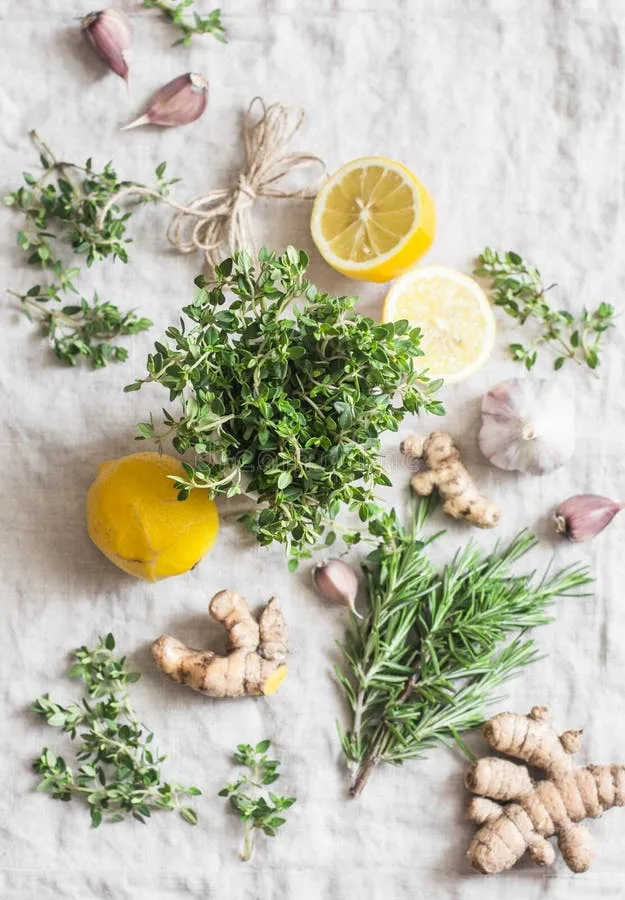
Slow Beauty: The Science Behind Why Hand-Ground Ingredients Are Changing Skincare Forever
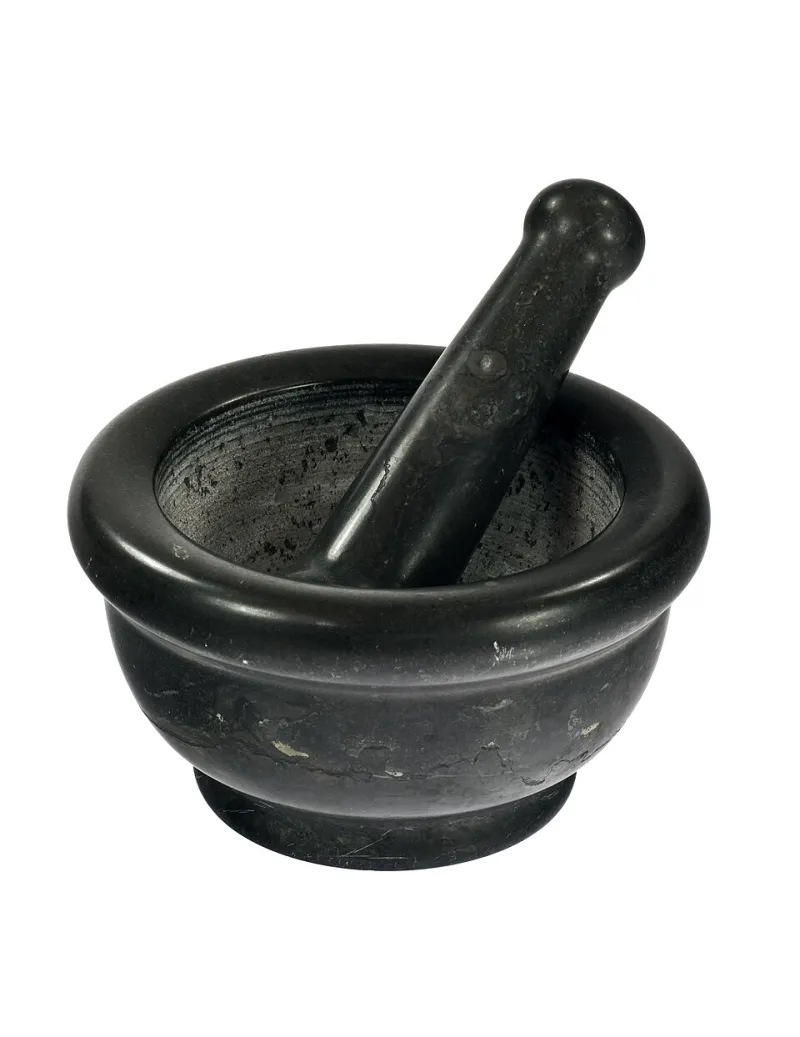
Photo: Nikodem Nijaki, CC BY-SA 3.0, via Wikimedia Commons
We live in a world that celebrates speed. One-click shopping, two-minute serums, overnight results. So it might seem counterintuitive that some of the most forward-thinking cosmetic chemists in the country are slowing way, way down — reaching for stone mortars and wooden pestles instead of food processors and high-speed blenders. But here at Pestle & Mortar Cosmetics, this isn't a trend we're chasing. It's a truth we were built on.
And the science? It's finally catching up.
What High-Speed Blending Actually Does to Your Botanicals
Let's start with the uncomfortable reality. When you toss fresh turmeric root, calendula petals, or dried chamomile into an electric blender, you're not just breaking things down — you're generating heat. Even a few seconds of high-speed friction raises the temperature of plant material enough to begin degrading sensitive phytonutrients: polyphenols, volatile essential oils, heat-labile enzymes, and delicate antioxidants like quercetin and catechins.
Cosmetic chemist Dr. Lena Hargrove, who consults for several independent botanical skincare brands, puts it plainly: "Electric grinding is efficient, but efficiency isn't always the goal in formulation. When you shear plant cells at high velocity, you're creating oxidative stress on the very compounds you're trying to preserve. You end up with a beautiful-looking paste that's lost a significant portion of its therapeutic value."
The culprit is a combination of heat, friction, and air exposure. Blender blades move so quickly that they introduce oxygen into the mixture at a rapid rate — a process called mechanical oxidation. For stable compounds like starches and cellulose, this is no big deal. But for the fragile, bioactive molecules responsible for most of a botanical's skin benefits? It's essentially a slow demolition.
The Ancient Logic That Modern Labs Are Validating
Here's where things get genuinely fascinating. Cultures from Ayurvedic India to ancient Egypt to pre-colonial Mexico all prepared botanical skin treatments the same way: slow, deliberate, hand-guided grinding. They didn't have the science to explain why it worked better. They just knew, through generations of observation, that it did.
Modern research is now filling in the gaps. A 2019 study published in the Journal of Agricultural and Food Chemistry found that cold, low-shear processing of plant materials — which is essentially what hand-grinding replicates — retained significantly higher concentrations of polyphenolic compounds compared to high-speed mechanical processing. Another study examining curcumin (the active compound in turmeric) found that grinding temperature had a direct inverse relationship with bioavailability: the cooler the grind, the more bioactive the final product.
Herbalist and ethnobotanist Marcus Webb, who teaches traditional plant medicine at a Brooklyn-based apothecary school, frames it this way: "Our ancestors weren't grinding slowly because they lacked technology. They were grinding slowly because the plant demanded it. That relationship — the pressure, the patience, the pace — was part of the preparation. We're just now building the vocabulary to explain it scientifically."
What Dermatologists Are Actually Saying
It's worth being clear: most dermatologists aren't abandoning clinical formulations in favor of stone-ground face masks. But a growing number are paying attention to the sourcing and processing side of skincare ingredients in ways they weren't a decade ago.
Dr. Priya Nair, a board-certified dermatologist practicing in Los Angeles, notes that she's increasingly recommending patients look for products that specify cold-processing or low-heat extraction methods. "The delivery of active ingredients matters enormously," she explains. "A product that lists turmeric or green tea extract on its label isn't automatically effective. How those ingredients were processed before they reached the jar is a question more consumers should be asking."
This is exactly the conversation that hand-grinding reintroduces. When you grind by hand, you're inherently working at room temperature. You're controlling pressure. You're stopping when the texture tells you to. It's an intuitive, feedback-driven process — and that feedback loop, it turns out, is remarkably good at preserving ingredient integrity.
How to Bring Hand-Grinding Into Your Own Routine
You don't need a lab coat or a $200 granite mortar to start experimenting. Here's a simple framework for creating your own hand-ground skincare at home.
Start With the Right Tools
A heavy stone or ceramic mortar and pestle is ideal — the weight does a lot of the work for you. Avoid plastic or lightweight versions, which require more aggressive force and generate more friction heat. A solid granite set (widely available at kitchen stores and online for $25–$60) is a worthwhile investment.
Choose Whole, Dried Botanicals
Fresh ingredients can work, but dried botanicals are easier to grind evenly and have a longer shelf life. Look for culinary-grade or cosmetic-grade dried herbs at your local health food store or through reputable online suppliers. Good starting points: dried rose petals, oat flour, lavender buds, chamomile flowers, and calendula.
A Simple Hand-Ground Face Mask Recipe
Calming Chamomile & Oat Grind
- 2 tablespoons whole rolled oats
- 1 tablespoon dried chamomile flowers
- 1 teaspoon dried lavender buds
- Enough raw honey or plain yogurt to form a paste
Add the oats to your mortar first and grind in slow, circular motions until they reach a coarse flour consistency. Add the chamomile and lavender and continue grinding until the mixture is uniform and fragrant. Combine with honey or yogurt just before use. Apply to clean skin, leave on for 10–15 minutes, and rinse with cool water.
The difference in aroma alone — compared to a pre-ground powder — tells you something meaningful is being preserved.
A Word on Exfoliants
Hand-grinding also gives you unparalleled control over particle size when making physical exfoliants. Commercial exfoliants are often too uniform — either too fine to be effective or too coarse to be safe. When you grind your own sugar, salt, or oat scrub by hand, you can stop at exactly the texture your skin needs. Coarser for body scrubs, finer for facial use.
The Bigger Picture: Slowness as a Skincare Value
There's something worth sitting with here beyond the biochemistry. The mortar and pestle isn't just a tool — it's a philosophy. It asks you to be present with your ingredients, to understand what you're putting on your skin, and to participate in the process rather than outsource it entirely.
At Pestle & Mortar Cosmetics, we believe that ancient wisdom and modern science aren't opposites. They're collaborators. The resurgence of hand-ground skincare isn't nostalgia — it's a correction. A recognition that some things our ancestors figured out through patient observation, we're only now able to explain through chromatography and cell studies.
Slow down. Pick up the pestle. Your skin will notice the difference.