Your Spice Rack Is a Skincare Cabinet: 7 Kitchen Herbs That Actually Clear and Brighten Your Skin
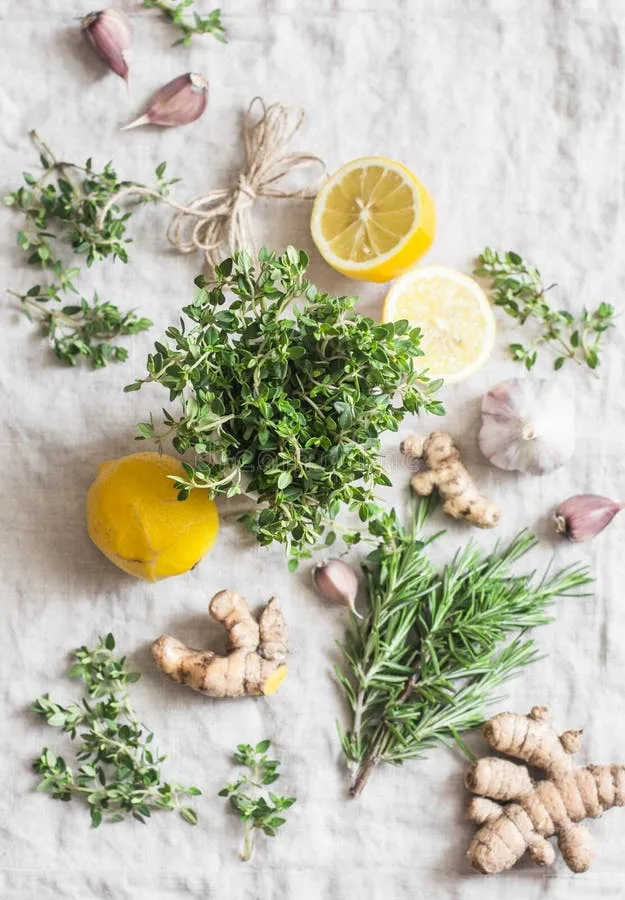
Photo: culinary herbs turmeric rosemary thyme basil flat lay skincare beauty, via thumbs.dreamstime.com
Somewhere between your olive oil and your garlic powder, there's a collection of ingredients that ancient healers in Greece, India, China, and Mesoamerica considered essential skincare tools. Today, we call them seasonings. But the more dermatologists and cosmetic scientists dig into the chemistry of common culinary herbs, the more they're finding that our ancestors were onto something remarkable.
None of this means you should scrub your face with spaghetti seasoning. But it does mean that the gap between your kitchen and your vanity might be smaller than you think. Here are seven herbs worth knowing — and using.
1. Turmeric: The Golden Standard
Best for: Hyperpigmentation, inflammation, acne
If there's one herb that has crossed over fully from kitchen staple to skincare superstar, it's turmeric. Used for over 4,000 years in Ayurvedic medicine as both a topical treatment and internal tonic, turmeric paste was a traditional bridal beauty ritual across South Asia — applied to the skin before wedding ceremonies to create a luminous, even complexion.
The active compound responsible for most of turmeric's skin benefits is curcumin, a potent polyphenol with well-documented anti-inflammatory and antioxidant properties. Clinical research has shown curcumin to inhibit melanin production (making it useful for dark spots and post-acne marks), reduce the activity of inflammatory cytokines associated with acne, and protect skin cells from UV-induced oxidative damage.
How to use it: A classic DIY approach is a simple turmeric and honey mask — mix a pinch of high-quality ground turmeric with raw honey and a few drops of milk or yogurt. Apply for 10 minutes, then rinse thoroughly. Fair warning: turmeric will temporarily stain everything it touches, including your sink. Use sparingly and rinse with cool water.
For a no-mess option, look for serums or masks listing Curcuma longa extract as an active ingredient rather than raw turmeric powder.
2. Oregano: The Acne Fighter You Overlooked
Best for: Acne, oily skin, bacterial imbalance
Oregano is the herb on your pizza. It's also one of the most potent antimicrobial botanicals studied in modern dermatology. Two compounds — carvacrol and thymol — are primarily responsible for oregano's antibacterial punch. Both have demonstrated effectiveness against Cutibacterium acnes (the bacteria central to acne development) in laboratory settings, with some studies suggesting oregano extract rivals certain over-the-counter acne treatments in its ability to reduce bacterial load.
Historically, oregano was used in ancient Greek medicine as a topical wound cleanser and skin treatment, prized for its ability to prevent infection in cuts and abrasions.
How to use it: Oregano essential oil is highly concentrated and should always be diluted before skin contact — a 1–2% dilution in a carrier oil like jojoba is a reasonable starting point for spot treatment. Alternatively, look for products formulated with oregano extract, which deliver the benefits without the risk of irritation from undiluted essential oil.
3. Basil: Stress Skin's Best Friend
Best for: Stressed, dull skin; minor breakouts; antioxidant protection
Basil has a long history in Ayurvedic and Southeast Asian traditional medicine as an adaptogenic herb — one that helps the body (and skin) respond more resiliently to stress. Holy basil (Ocimum tenuiflorum), in particular, has been used topically in Indian skincare traditions for centuries to address blemishes and uneven tone.
Modern research supports this reputation. Basil is rich in ursolic acid, a triterpenoid compound shown to stimulate collagen synthesis and inhibit enzymes that break down skin structure. It also contains rosmarinic acid and luteolin, both of which have demonstrated antioxidant activity that can help neutralize environmental skin stressors.
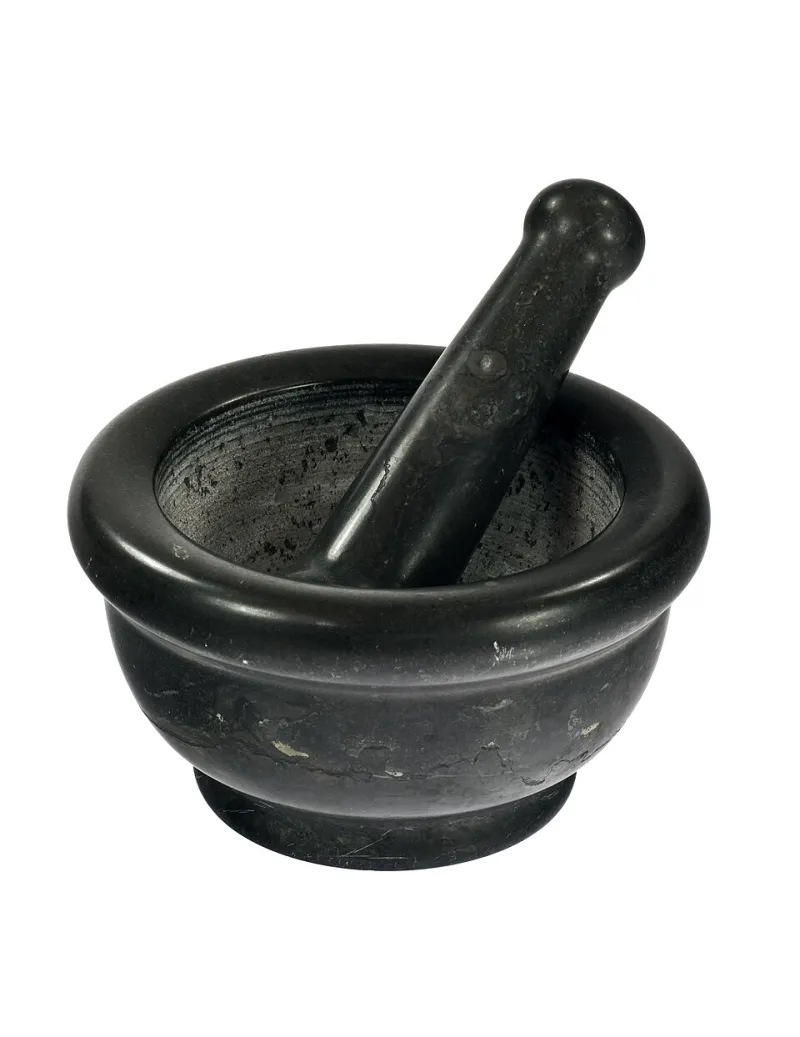
How to use it: Fresh basil leaves can be muddled (yes, like a cocktail — this is where your mortar and pestle earns its keep) into a fine paste and mixed with aloe vera gel for a soothing, brightening mask. Apply to clean skin for 10–15 minutes. The cooling sensation is real, not imagined.
4. Thyme: The Underdog Antimicrobial
Best for: Acne, pore congestion, oily skin
A 2010 study out of Leeds Metropolitan University in the UK made waves when it found that thyme tincture was more effective at killing acne-causing bacteria than benzoyl peroxide — one of the most common OTC acne treatments on the market. While that research hasn't been replicated at clinical scale, it sparked significant interest in thyme's topical potential.
Thyme has been used in traditional European and Mediterranean herbal medicine as an antiseptic and skin clarifier for centuries. Its primary bioactive compounds — thymol and carvacrol (shared with oregano) — are responsible for its antimicrobial activity, while flavonoids like apigenin contribute anti-inflammatory effects.
How to use it: A simple thyme-infused toner can be made by steeping a small handful of fresh thyme in hot (not boiling) water for 15 minutes, cooling completely, and applying to the skin with a cotton pad. Store in the refrigerator and use within a week.
5. Sage: The Aging Skin Ally
Best for: Premature aging, excess oil, environmental protection
Sage carries serious skincare credentials that stretch back to ancient Rome, where it was used as a tonic for mature skin. Its Latin name, Salvia officinalis, comes from the root word salvere — "to heal" — which tells you something about how highly it was regarded.
Contemporary research backs this up. Sage is exceptionally rich in carnosic acid and carnosol, two diterpene antioxidants that have shown remarkable ability to neutralize free radicals. It also contains ursolic acid (like basil) and rosmarinic acid, both linked to collagen support. Some studies have highlighted sage extract's ability to regulate sebum production, making it useful for combination and oily skin types dealing with both breakouts and early signs of aging.
How to use it: Sage-infused facial oils and serums are increasingly available through botanical skincare brands. For a DIY approach, dried sage can be ground finely in your mortar and pestle and incorporated into a clay mask alongside kaolin or bentonite clay for a detoxifying, antioxidant-rich treatment.
6. Rosemary: The Circulation Booster
Best for: Dull skin, puffiness, scalp health, antioxidant defense
Rosemary's reputation in skincare is ancient and well-earned. In medieval Europe, rosemary water was considered a fountain-of-youth tonic — and the famous "Hungary Water," widely regarded as one of the first modern perfumes and skincare preparations (dating to the 14th century), was based primarily on rosemary extract.
The science behind rosemary's glow-boosting reputation centers on its ability to stimulate microcirculation when applied topically — bringing fresh blood to the surface and giving skin a natural flush of vitality. Rosmarinic acid (yes, named after rosemary) is a powerful antioxidant that's been studied for its ability to reduce UV-induced skin damage and suppress inflammatory pathways.
How to use it: Rosemary-infused facial massage oils are a lovely way to incorporate this herb into your routine. Steep dried rosemary in a warm carrier oil (sweet almond or grapeseed work beautifully) for several hours, strain, and use for a 5-minute facial massage. The combination of the herb's compounds and the physical stimulation of massage creates a noticeably brighter complexion.
7. Bay Leaf: The Sleeper Hit of Herbal Skincare
Best for: Inflammation, uneven texture, antioxidant protection
Bay leaf is the herb you forget is in the pot. It's also, quietly, one of the most antioxidant-dense culinary herbs available. Ancient Greeks and Romans considered bay laurel (Laurus nobilis) sacred — crowning athletes and scholars with its leaves — and traditional Mediterranean herbalists used bay leaf preparations to treat skin irritation and inflammation.
Bay leaves are exceptionally high in eugenol, a compound with proven anti-inflammatory and antimicrobial properties. They're also rich in catechins and rutin, flavonoids that protect skin from oxidative stress and support vascular integrity — which translates to reduced redness and a more even complexion over time.
How to use it: Bay leaf is most effective in skincare as an infusion or extract. Simmer a few dried bay leaves in water, cool completely, and use the strained liquid as a calming facial rinse or compress for irritated skin. It's gentle enough for sensitive skin types and surprisingly effective at reducing redness after sun exposure.
The Takeaway
Your spice rack isn't a substitute for a thoughtful skincare routine — but it might be the most underutilized tool in your beauty arsenal. What makes these herbs so compelling isn't just their individual efficacy. It's the fact that humans have been observing their effects on skin for thousands of years, and modern science keeps confirming what traditional healers already knew.
At Pestle & Mortar Cosmetics, we believe that ancient wisdom is a legitimate form of evidence — and that the best skincare often lives at the intersection of a grandmother's recipe and a clinical study. So the next time you reach for the oregano, maybe pinch a little extra. Your skin might thank you.