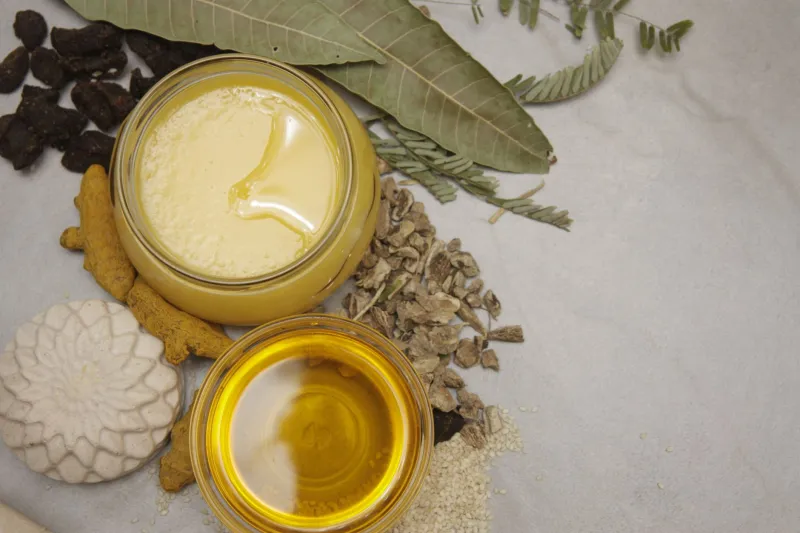
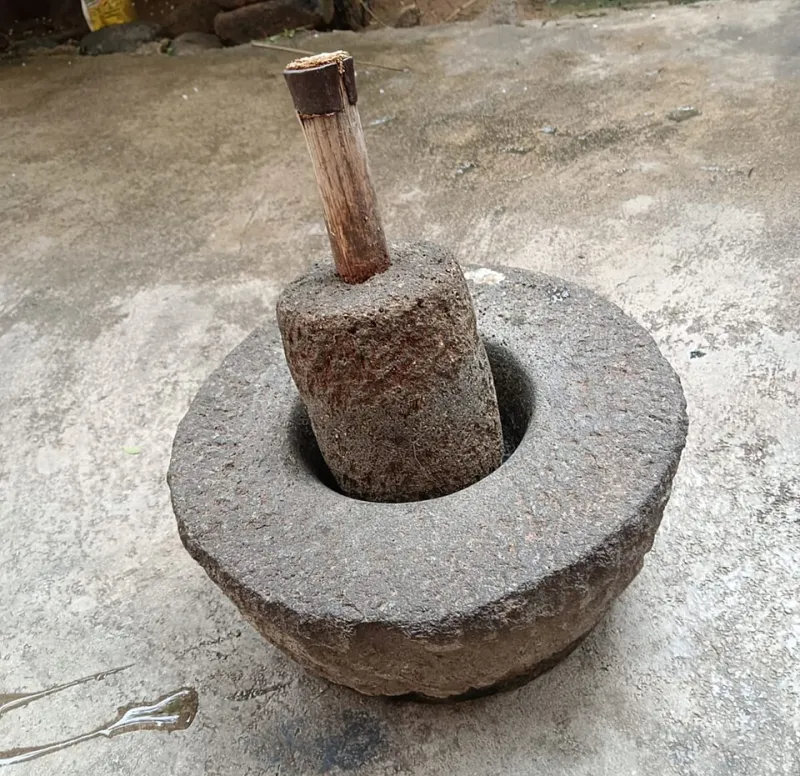
Amber Glass and Mortar Boards: Inside America's New Bathroom Pharmacy Obsession
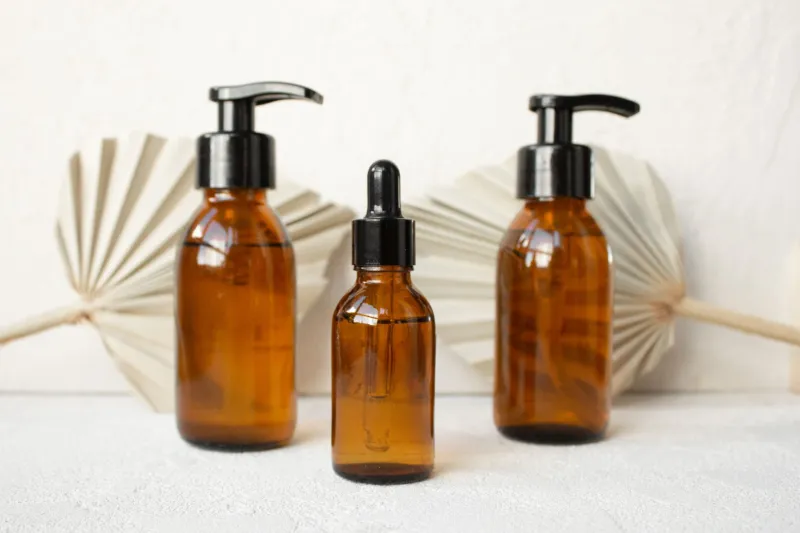
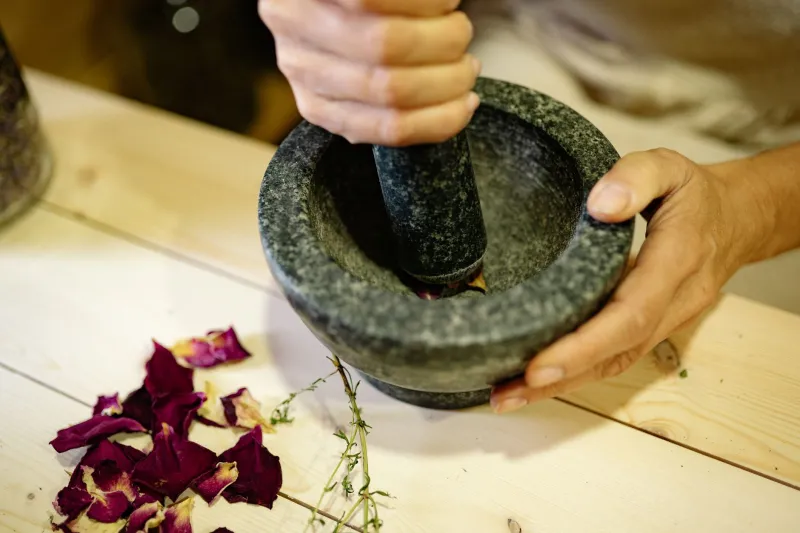
There's a particular shelf that keeps showing up in American homes. It holds amber glass bottles catching the morning light, hand-labeled tins with slightly imperfect lettering, maybe a brass mortar and pestle that has clearly been used — actually used — for crushing dried calendula or grinding oat flour.
It looks like a small-town pharmacy from 1875. It belongs to a 34-year-old in Denver who works in software.
The apothecary aesthetic has quietly become one of the defining design movements of the decade, and unlike most trends that start on Instagram and die there, this one has a physical ritual attached to it. Which is exactly why it's sticking.
The Shelf That Started It All
Scroll through home design content on TikTok or Pinterest and you'll find it everywhere: bathroom shelves styled like old-world dispensaries. Dark glass dropper bottles. Kraft paper labels in serif type. Wooden trays, ceramic jars, twine. The visual language borrows from a time when medicine and beauty shared the same counter and the same practitioner.
Interior designers we spoke with trace the surge to a convergence of forces — pandemic-era nesting, a backlash against minimalist white-on-white bathrooms, and a growing desire for objects that feel authored rather than mass-produced.
"People got tired of products that looked like they came from a lab and felt like they came from a factory," says one Portland-based designer who has fielded more apothecary-styling requests than she can count. "Clients want their daily objects to have a story. Amber glass says 'something precious is in here.' A hand-labeled tin says 'someone made this.' That emotional signaling is doing real work in the room."
There's also a practical wrinkle: amber and violet glass genuinely protect light-sensitive botanicals. The aesthetic isn't purely decorative — it's a design choice with a chemistry rationale, which is catnip for a generation that reads ingredient lists for sport.
Why Millennials, Specifically
Millennials came of age during the peak of clinical-looking skincare — the white plastic, the sans-serif fonts, the "dermatologist-approved" minimalism that made every bathroom look like a medical office. The apothecary aesthetic is, in part, a correction.
But it's also about provenance. This is the generation that wants to know where their coffee was grown and whether their eggs were pasture-raised. Applying that same scrutiny to skincare was inevitable. Packaging that signals handmade production — a visible mortar and pestle, a wax-sealed jar, a label with a human's handwriting — functions as shorthand for a process they can imagine.
And imagine it they do. The rise of hand-grinding content, small-batch formulation videos, and kitchen-apothecary tutorials suggests the appeal isn't just owning the look. It's understanding the labor behind it.
What Formulators See in the Glass
Skincare makers have noticed that packaging provenance now sells almost as hard as the formula itself.
"I've watched customers pick up a product, turn it over, and check whether the botanicals were stone-ground or cold-pressed before they check the price," one small-batch formulator told us. "Ten years ago nobody asked. Now the how is part of the purchase."
That's not shallow. Modern cosmetic science has a real story to tell about why traditional methods matter — gentler processing preserves heat-sensitive plant compounds, and fresh-ground botanicals deliver more of their active payload than ingredients that sat in industrial processing for months. The apothecary look works because it's honest advertising for a genuine difference.
The Ritual Is the Point
Here's the thing the trend pieces miss: the aesthetic without the ritual is just decoration.
The mortar on the shelf only matters if it gets used. The amber jar only matters if what's inside was made with intention. What the 19th-century pharmacy actually offered wasn't a look — it was a person who knew your skin, a remedy mixed for you that morning, a moment of care in an unhurried room.
That's what millennials are redecorating toward. Not nostalgia for the 1800s, but for a feeling their bathroom counters never gave them: that their skincare is something made, not merely bought.
So style the shelf. Fill the amber jars. But keep the pestle within reach. The best version of this trend is the one where the label on the jar describes something you did yourself — and your skin can tell the difference.