Hands-On and Proud of It: Why Gen Z Is Ditching High-Tech Gadgets for Stone Grinding Tools
There's a certain irony in the fact that the most digitally fluent generation in history is leading the charge back to stone tools. Not as a joke. Not as an aesthetic. As a genuine skincare practice.
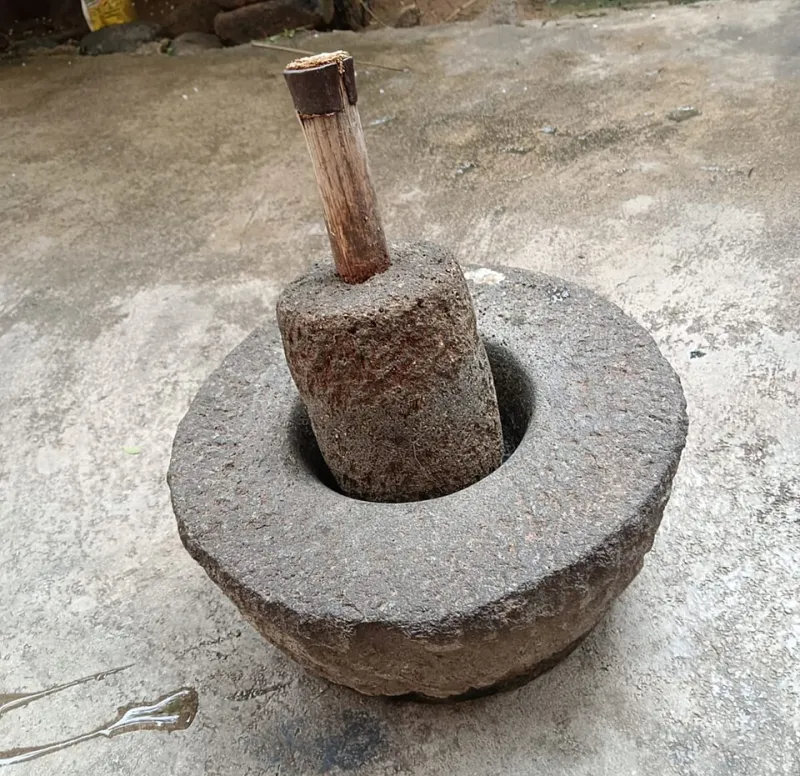
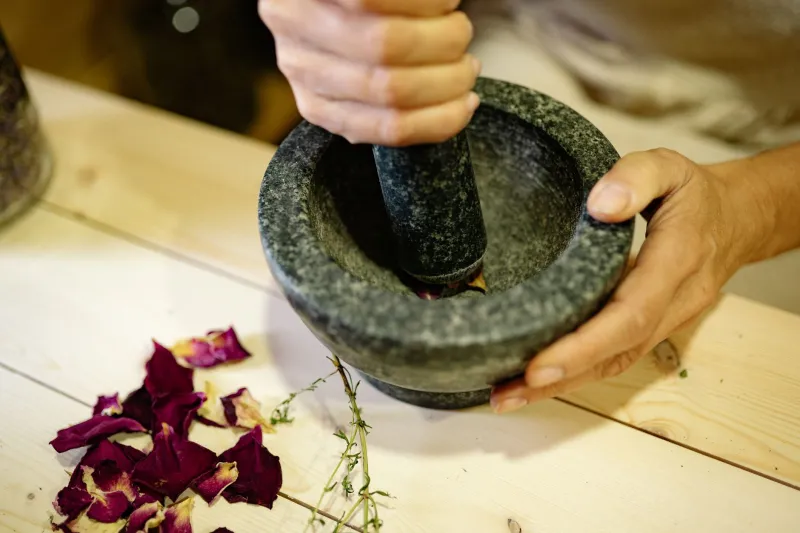
Across TikTok, Reddit skincare threads, and Instagram reels shot in warmly lit kitchens, a growing number of twenty-somethings are showing off their granite mortars and pestles — grinding turmeric, mashing rosehip seeds, crushing dried calendula — with the same enthusiasm their predecessors reserved for unboxing the latest facial steamer. The high-tech beauty gadget, it turns out, has some real competition from something that's been sitting on grandmother's kitchen shelf for centuries.
So what's actually going on here? And more importantly — is there anything to it beyond the vibe?
The Burnout Behind the Trend
To understand why Gen Z is gravitating toward handcrafted skincare rituals, you have to understand the particular kind of exhaustion they're navigating. This is a generation that came of age during a pandemic, entered adulthood in an attention economy designed to fragment focus, and has been quietly leading the digital detox conversation for a few years now.
"There's a real fatigue with optimization culture," says Dr. Priya Menon, a board-certified dermatologist based in Austin, Texas, who has noticed the shift in her younger patients. "People are tired of feeling like their wellness routine is another productivity hack. They want something that feels human — something that takes a few minutes and doesn't require charging."
The mortar and pestle fits that need almost perfectly. It's tactile. It's slow. It demands your full attention in a way that tapping an app simply doesn't. And in a world where every beauty routine has been gamified, tracked, and optimized within an inch of its life, that friction — the literal, physical kind — feels like relief.
What the Hands Are Actually Doing
Here's where it gets interesting from a skincare science perspective. The ritual isn't just psychologically satisfying — there's a legitimate argument that manual grinding changes what you're actually putting on your skin.
When you crush botanicals by hand using a stone tool, you're doing something that a blender blade or a factory press can't fully replicate: you're applying controlled, variable pressure across plant cell walls, releasing volatile compounds and phytonutrients in a way that heat-based or high-speed mechanical processing tends to degrade. Essential oils, polyphenols, and enzyme-active compounds are particularly sensitive to the friction and oxidation that comes with industrial processing.
"Fresh-ground ingredients have a different bioavailability profile than their commercially processed equivalents," explains Dr. Menon. "Whether that translates into a measurable clinical outcome depends on the ingredient and the formulation. But the basic chemistry supports the idea that fresher, less-processed botanical material can interact with the skin differently."
That's not a small caveat to brush past. It's the core of what makes this trend worth paying attention to beyond the aesthetics.
The Ritual Itself as Active Ingredient
But let's not sidestep the psychological dimension, because dermatologists aren't. There's growing clinical interest in the relationship between stress hormones — particularly cortisol — and skin health. Chronic stress is a documented driver of inflammation, breakouts, barrier dysfunction, and accelerated aging. And if a ten-minute grinding ritual genuinely lowers cortisol, that's not nothing.
"I've started asking patients about their stress levels the same way I ask about their diet," says Dr. Marcus Webb, a dermatologist in Chicago who focuses on integrative skin health. "A mindful, repetitive physical task — grinding, kneading, even stirring — activates the parasympathetic nervous system. It's the same principle behind why people find cooking meditative. If someone's skincare ritual is doing that for them, their skin is likely benefiting in ways that don't show up on an ingredient label."
This is the part that tends to surprise people: the ritual itself might be doing real dermatological work, independent of whatever ends up in the jar.
Stone Tools in the Age of the Algorithm
What makes this moment culturally distinct is that Gen Z isn't discovering the mortar and pestle in isolation from information — they're discovering it through information. The same TikTok algorithm that serves up trending serums is now surfacing Ayurvedic grinding techniques and traditional Korean skincare preparation methods. The same Reddit communities that debate peptide concentrations are hosting threads about the best stone material for grinding turmeric without staining.
This generation isn't rejecting science. They're applying it to older tools and finding the results compelling.
And there's a sustainability angle that resonates hard with younger consumers. Hand-grinding your own ingredients means fewer single-use packaging components, less reliance on supply chains, and a more direct relationship with what you're actually applying to your face. In a beauty industry that has struggled to make sustainability feel like anything other than a marketing footnote, the mortar and pestle is refreshingly literal about its low footprint.
What to Actually Grind (and What Not To)
If you're curious about experimenting, a few ground rules — pun fully intended.
Start with dried botanicals. Dried calendula petals, rose hips, oat flour, and turmeric root are forgiving starting points. They grind evenly, they're shelf-stable, and their skin benefits are well-documented.
Be cautious with actives. Grinding fresh citrus peel or anything with a high concentration of natural acids directly onto your skin without dilution can cause irritation or photosensitivity. More isn't more.
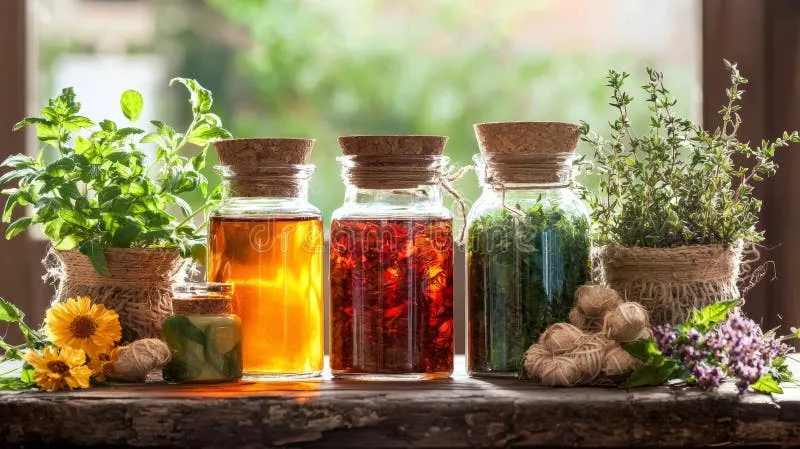
Pair with a carrier. Most ground botanicals need a base — a facial oil, raw honey, or aloe vera gel — to become a functional product. The grinding is the activation step, not the whole formula.
Clean your tools obsessively. Stone is porous. If you're not cleaning and drying your mortar thoroughly between uses, you're creating a bacterial environment that will undo every benefit you just ground into existence.
The Bigger Picture
What the pestle and mortar renaissance ultimately signals isn't a rejection of modern skincare — it's a renegotiation of what modern means. Gen Z, more than any generation before it, is comfortable holding two truths simultaneously: that science matters and that ancient practices earned their longevity for a reason. That efficiency has value and that slowness does too.
The stone tool isn't winning because it's primitive. It's winning because, in the right hands, it's precise in ways that machines aren't — and because the act of using it does something to the person grinding that no gadget has quite figured out how to replicate.
Your skin, it turns out, isn't the only thing that benefits from a little intentional friction.