Too Many Products, Too Little Peace: How Handcrafted Rituals Cut Through Skincare Overwhelm

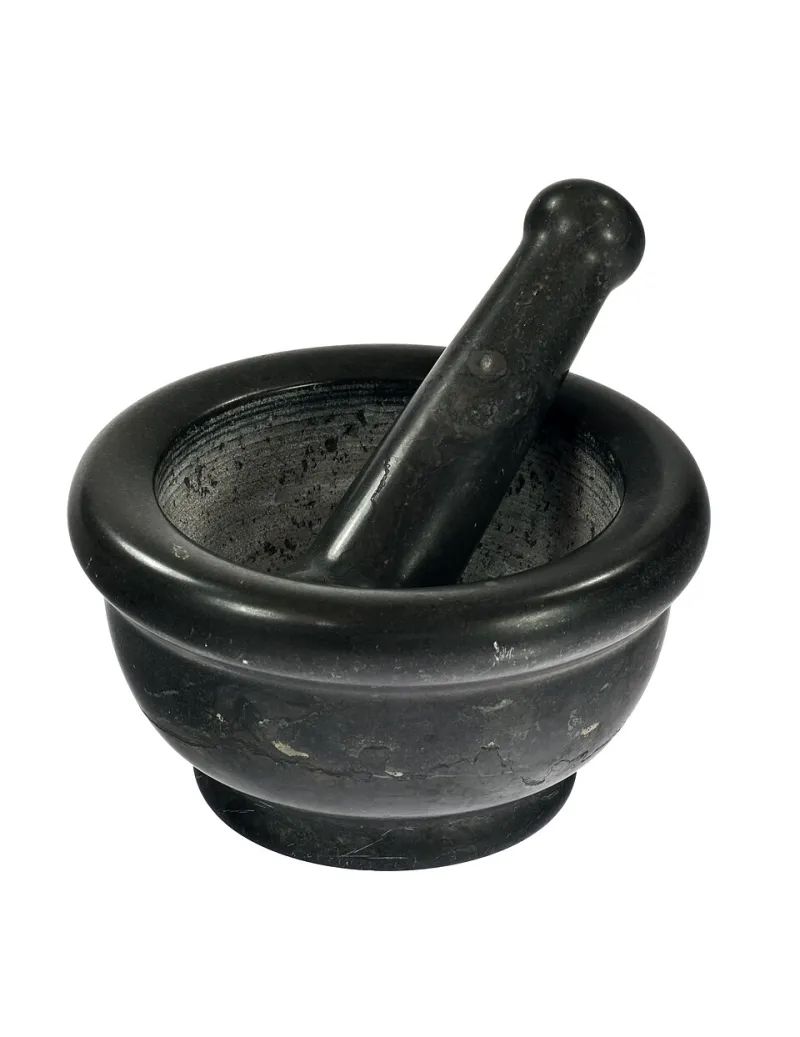
Photo: Herb Roe - www.chromesun.com, CC BY-SA 3.0, via Wikimedia Commons
Open any beauty influencer's bathroom cabinet and you'll find a minor pharmacy. Serums stacked three deep. Toners for every occasion. A moisturizer for Tuesday mornings specifically. It looks aspirational until you're standing there at 7 a.m., bleary-eyed, genuinely unsure which bottle goes first — and whether skipping step four will undo steps one through three.
This is decision fatigue in its most moisturized form. And it's doing real damage, not just to your morning schedule, but potentially to your skin itself.
What Decision Fatigue Actually Does to Your Body
Decision fatigue is a well-documented psychological phenomenon. The basic idea: every choice you make draws from a finite cognitive reserve. The more decisions you burn through early in the day, the worse your judgment gets by the time you hit the ones that actually matter. Researchers have observed this in everyone from judges to grocery shoppers — and there's no reason your bathroom mirror is exempt.
But here's where it gets dermatologically interesting. When your brain is overloaded with choices, your body registers low-grade stress. That triggers cortisol. And cortisol, as any esthetician worth their rosehip oil will tell you, is one of your skin's least favorite houseguests. Elevated cortisol levels are directly linked to increased sebum production, compromised barrier function, and a measurable uptick in inflammatory skin conditions like acne, eczema flares, and rosacea sensitivity.
In other words, a cluttered routine isn't just annoying — it can be actively counterproductive. The very products you're stressing over might be feeding the inflammation you're trying to treat.
The Case for Fewer, More Intentional Ingredients
Traditional skincare cultures — Ayurvedic practice in India, apothecary traditions in Europe, herbalism across Indigenous American communities — didn't work with 14-step routines. They worked with a handful of deeply understood, carefully prepared ingredients applied with full attention. The pestle and mortar wasn't just a tool; it was the beginning of the ritual itself.
There's something neurologically significant about the act of physical preparation. Grinding a botanical ingredient — turmeric, neem, dried calendula — requires a kind of focused, repetitive motion that activates the parasympathetic nervous system. This is the branch of your autonomic nervous system responsible for rest and repair. The same state your body needs to be in for skin regeneration to actually happen.
Cortisol drops. Skin barrier function improves. Inflammation recedes. And you haven't even applied anything yet.
This isn't a soft, feel-good hypothesis. Research into mindfulness-based interventions has consistently shown that structured, repetitive tactile practices — including cooking, kneading, and manual crafting — measurably reduce perceived stress and cortisol markers. The ritual of preparation is doing biochemical work before the formula ever touches your face.
Consistency Beats Complexity Every Single Time
Here's a truth that gets buried under the avalanche of new launches: the single biggest predictor of skincare results isn't ingredient innovation. It's consistency.
A moderately effective routine you actually follow every day will outperform a cutting-edge 10-step system you abandon by Wednesday. Dermatologists have been saying this for years. The problem is that complexity is the enemy of consistency. The more steps you have, the more opportunities you have to skip one, run out of time, or just decide the whole thing feels like too much.
Simplified, ritual-based routines solve this by design. When your routine feels meaningful rather than mechanical, adherence stops being a discipline problem and starts being something you actually look forward to. The act of hand-mixing a small batch of a face oil or working a freshly ground botanical mask into a paste isn't a chore — it's a moment you carved out for yourself. That psychological shift has real consequences for how reliably you show up for your skin.
What 'Potency Over Volume' Looks Like in Practice
Reducing your routine doesn't mean lowering your standards. It means raising them for the ingredients you do use.
Hand-ground botanicals retain volatile compounds that high-heat industrial processing destroys. Cold-pressed oils carry a full spectrum of fatty acids and antioxidants that fractioned, shelf-stabilized versions can't match. When you're working with genuinely potent, minimally processed ingredients, you don't need a dozen products to cover your bases — you need a few that are doing real, concentrated work.
Think of it this way: a single well-made, hand-prepared facial oil with a base of sea buckthorn, a touch of ground rosehip seed, and raw tamanu can address hydration, barrier repair, and hyperpigmentation simultaneously. That's three product categories in one intentional formula. Your shelf gets quieter. Your morning gets calmer. Your skin, freed from the cortisol tax of a stressful routine, gets a better environment to actually heal.
The Ritual Is Part of the Formula
This is the piece that modern skincare marketing consistently undersells: the state you're in when you apply your skincare matters. Rushing through a 12-step routine while mentally drafting emails is a fundamentally different physiological experience than slowly working a hand-blended oil into your skin with a few minutes of intentional massage.
Blood circulation to facial tissues improves with gentle manual pressure. Lymphatic drainage — which supports depuffing and a clearer complexion — responds to slow, deliberate movement. Absorption of active ingredients increases when skin is warm and the barrier is relaxed, which is exactly what happens when your nervous system is in a calm state.
The ancients who built their beauty practices around the pestle and mortar weren't just working with what they had. They were, intuitively or otherwise, engineering a delivery system that accounted for the whole person — not just the surface.
Simplify With Intention, Not Just Minimalism
There's a difference between stripping your routine down because you've given up and stripping it down because you've gotten smarter. The goal isn't emptiness — it's precision. A curated collection of high-quality, thoughtfully prepared ingredients applied through a consistent, calming ritual is genuinely more powerful than the alternative.
Your skin doesn't need more options. It needs less noise, more signal, and a nervous system that's settled enough to let the good stuff actually work.
Start there. The results tend to follow.