Why the Way You Apply Your Skincare Is Half the Formula

Photo: woman mindfully applying face oil morning skincare ritual calm natural light, via images.stockcake.com
There's a moment, right after you've pressed a warm, fragrant balm between your palms and brought it to your face, where something shifts. Your shoulders drop. Your breath slows. You're not multitasking anymore. That moment? It's not just a vibe. It's biology.
At Pestle & Mortar Cosmetics, we've always believed that skincare is something you do, not just something you put on. And increasingly, the science is backing that up in ways that go well beyond ingredient lists.
The Nervous System Is Part of Your Skin Routine
When you slow down and apply a product with intention—real, deliberate, unhurried attention—your body shifts from sympathetic mode (fight-or-flight, cortisol, tension) into parasympathetic mode (rest-and-digest, calm, repair). This isn't woo. This is your autonomic nervous system responding to tactile input, rhythmic motion, and scent cues.
Here's why that matters for your skin: cortisol, the stress hormone, is one of the most underrated skin disruptors out there. Elevated cortisol levels have been linked to increased sebum production, impaired barrier function, and slower cellular turnover. When you bring your nervous system down from high alert—even for five minutes—you're creating a physiological environment where your skin can actually receive and respond to what you're putting on it.
Research published in dermatology and psychophysiology journals has shown that tactile self-touch, particularly slow, rhythmic strokes like those used in facial massage, activates C-tactile afferent nerve fibers—the same fibers triggered by comforting human touch. The result is a measurable reduction in perceived stress and an uptick in oxytocin. Your serum doesn't know the difference between a rushed swipe and a mindful press, but your skin's barrier absolutely does.
Ancient Beauty Knew This Before the Research Did
Look at virtually any traditional beauty ceremony across cultures—Japanese bihaku rituals, Ayurvedic abhyanga (self-massage with warm oil), the elaborate multi-step cleansing practices of ancient Egypt—and you'll find one consistent thread: these weren't quick routines. They were deliberate, sequential, often ceremonial.
The vessels mattered. The temperature mattered. The order and pace mattered. Women in 16th-century Korea didn't layer fermented rice water and botanical tinctures in a hurry between meetings. They built time into the ritual itself. And while we can't say they understood parasympathetic nervous system activation, they clearly understood the outcome: calmer, more radiant, more resilient skin.
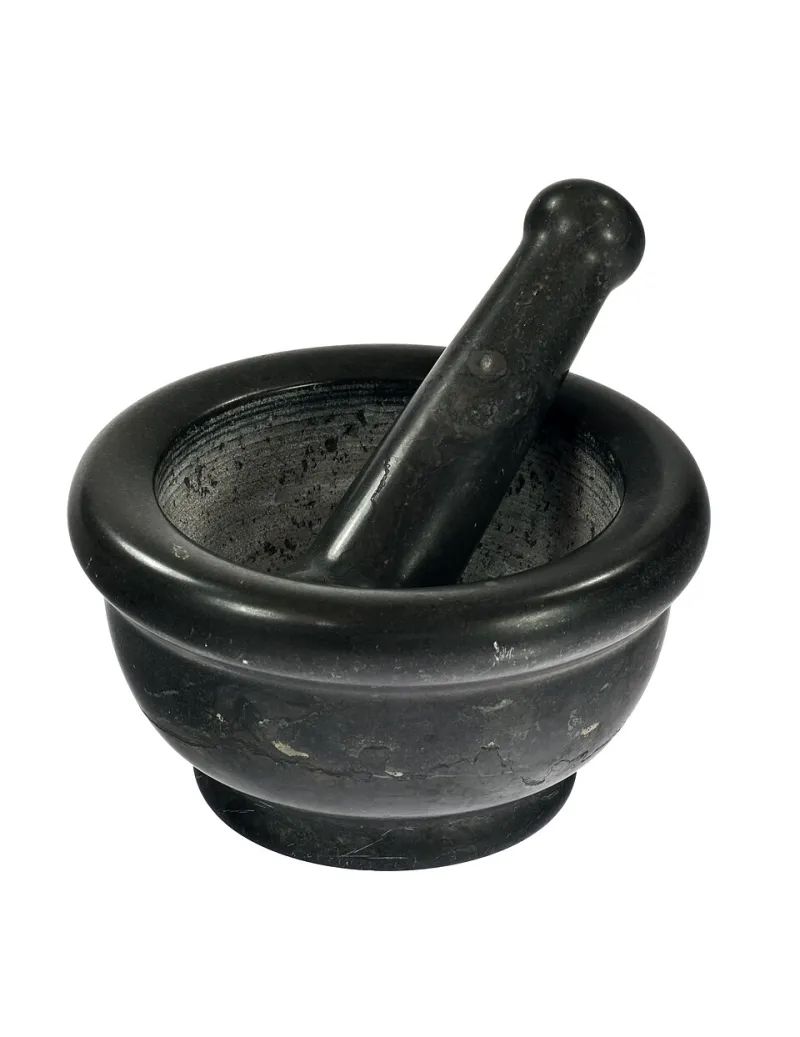
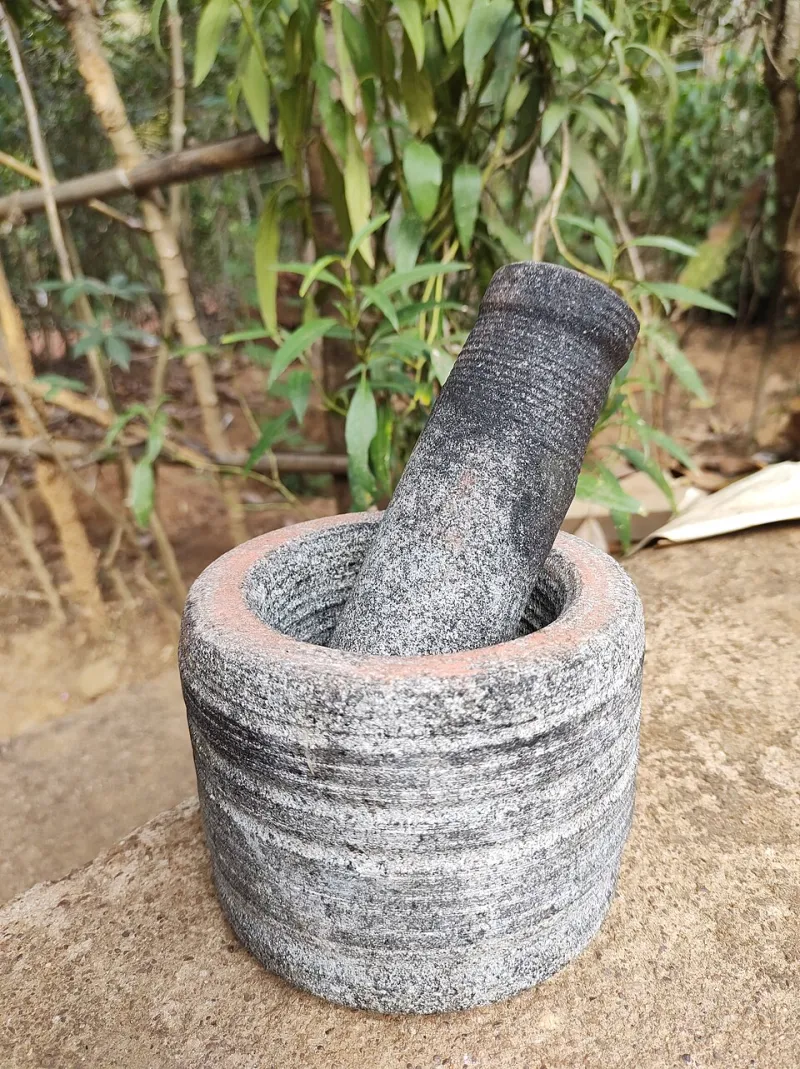
The mortar and pestle—our namesake, our north star—is itself a symbol of this philosophy. You can't rush a stone-ground preparation. The grinding is slow, rhythmic, and intentional. The product that results carries that energy, but more than that, it invites a similar energy when you use it.
The Microbiome Connection You Didn't See Coming
Here's where it gets really interesting. Your skin microbiome—the ecosystem of bacteria, fungi, and other microorganisms living on your skin's surface—is exquisitely sensitive to stress. Psychological stress has been shown to alter microbiome composition, reducing diversity and increasing populations of inflammatory bacteria. A disrupted microbiome means a compromised barrier, more sensitivity, and less resilience.
The flip side? Practices that reduce stress—including mindful skincare rituals—may help maintain a healthier microbial environment. It's not a stretch to say that five minutes of intentional, slow application is doing microbiome work your products alone can't fully accomplish.
This is one reason why handcrafted products—those with natural textures, complex botanical scents, and sensory richness—have a functional edge over clinical, sensory-flat formulations. The scent of real cold-pressed rosehip oil or freshly ground turmeric triggers the olfactory system, which has a direct pathway to the limbic brain. That's your emotional and stress-regulation center. A beautiful, natural fragrance isn't just pleasant—it's functionally priming your skin for reception.
What Intentional Application Actually Looks Like
You don't need a 12-step routine or a dedicated meditation space. The shift is smaller than that.
Warm your products first. A few seconds between your palms raises the temperature of a facial oil or balm just enough to improve spreadability and signal warmth to your nervous system. It's also a micro-moment of pause before application.
Use upward, outward strokes. Beyond the lymphatic drainage benefits, the directional movement creates a rhythm your nervous system recognizes as calming. It's the same reason repetitive, patterned motion—knitting, drumming, rocking—has been used across cultures to regulate emotional states.
Breathe through the scent. Before you apply, hold the product close and inhale. Let your olfactory system do its work. This isn't performative. It's a direct line to your limbic system, and it takes about four seconds.
Put the phone down. Seriously. Divided attention means you're still in sympathetic mode. The ritual only works when you're actually in it.
The Formula Is Only Half the Story
At Pestle & Mortar Cosmetics, we formulate obsessively. We care deeply about bioavailability, sourcing, and the integrity of every botanical we use. But we've always held that the product is only one part of the equation.
The other part is you—your hands, your pace, your attention. The ancient women who ground sandalwood into paste on stone slabs weren't just making a face mask. They were building a practice. A daily act of care that told their bodies: we're safe, we're nourished, we have time.
That signal matters. It has always mattered. And now, finally, the science is catching up to say so.
So next time you reach for your serum or your balm, don't just apply it. Practice it. Your skin is listening.