Crushing It, Literally: How High-End Skincare Brands Are Betting Big on the Ancient Art of Hand-Ground Ingredients
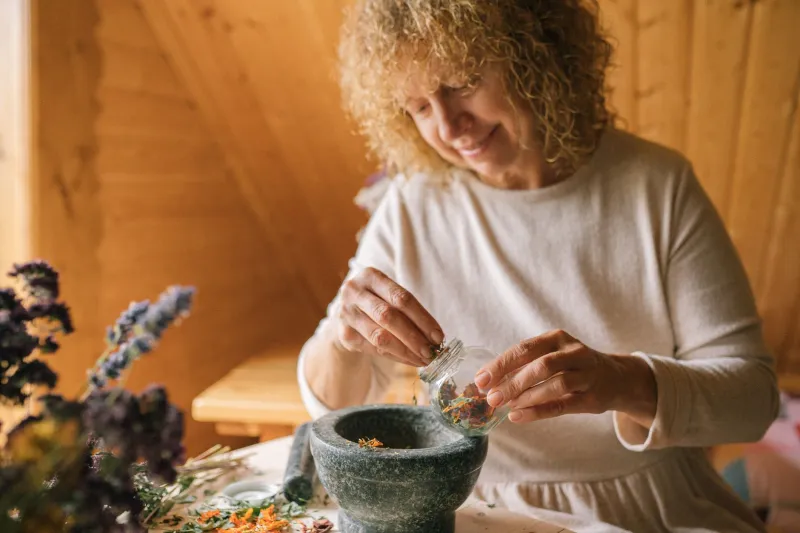
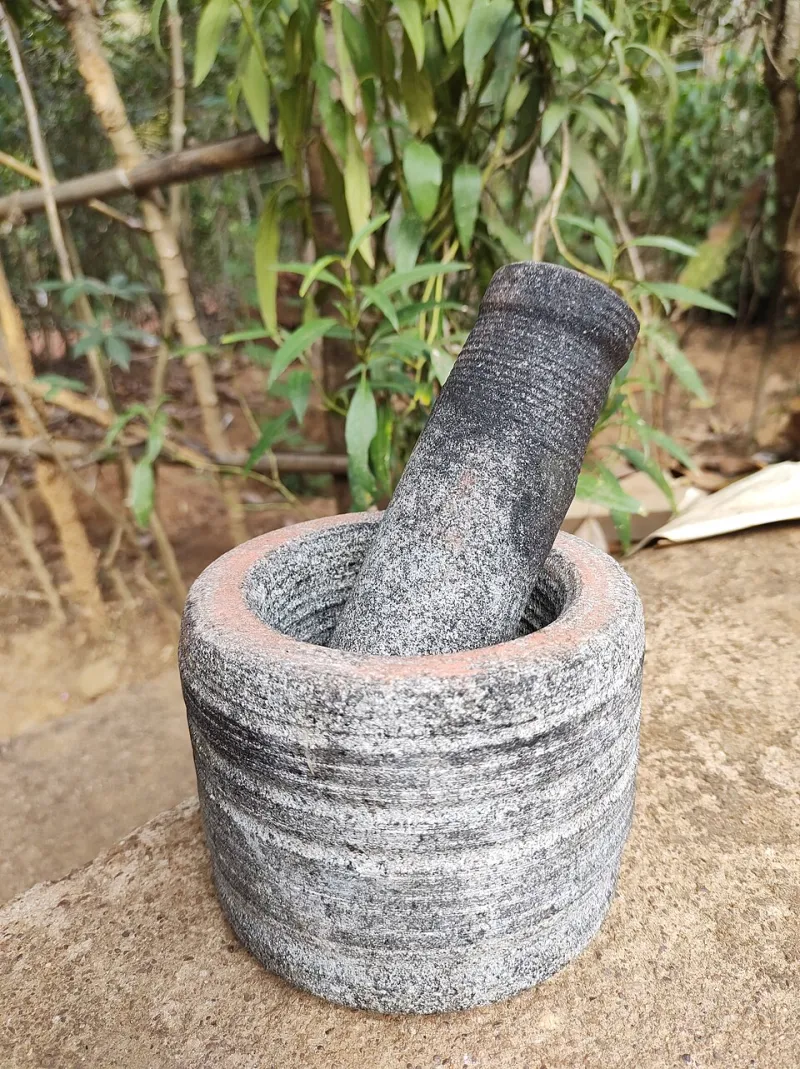
Something unexpected is happening inside some of the most sophisticated skincare labs in the country. The high-speed blenders are getting quieter. The industrial mixers are sitting idle. And in their place, a growing number of luxury beauty brands are dusting off stone mortars, sourcing hand-carved granite tools, and retraining their formulators in techniques that predate electricity by a few thousand years.
This isn't nostalgia for its own sake. It's a calculated, science-informed pivot — and it's reshaping what "premium" actually means in the beauty industry.
The Machine Problem Nobody Was Talking About
For decades, the skincare industry equated efficiency with quality. Faster processing, finer emulsification, more consistent output — these were the benchmarks of a sophisticated product. High-speed industrial equipment could pulverize botanicals in seconds, homogenize formulas to microscopic uniformity, and push thousands of units out the door before lunch.
But somewhere along the way, a few curious formulators started asking an uncomfortable question: what exactly were those machines doing to the ingredients inside them?
The answer, it turns out, is quite a lot — and not always in a good way. High-speed mechanical processing generates heat and friction that can degrade thermolabile compounds, the delicate phytochemicals that give botanicals their skin-active properties in the first place. Volatile aromatic molecules — the ones responsible for everything from lavender's calming effect to turmeric's anti-inflammatory punch — are especially vulnerable. When you shred through plant material at industrial speeds, you're not just breaking it down. You're cooking off some of its most valuable chemistry before it ever reaches a jar.
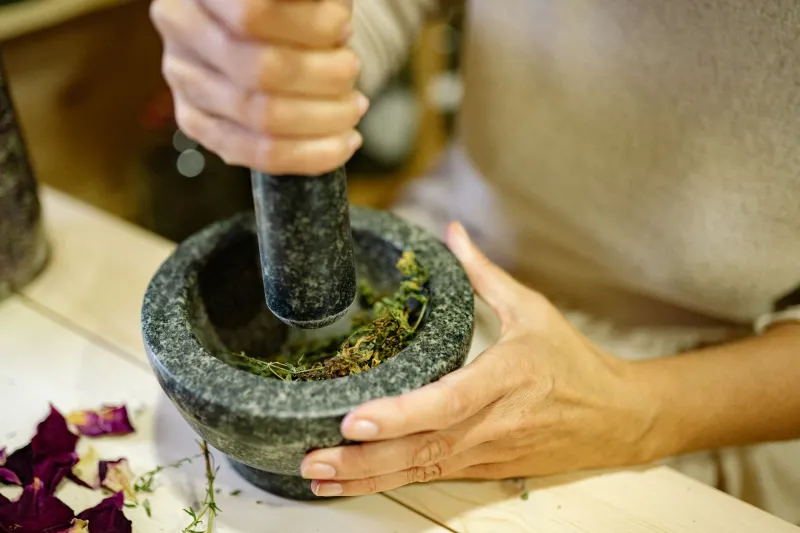
Manual grinding, by contrast, is slow, cool, and surprisingly precise. The controlled pressure of a pestle against a stone surface ruptures cell walls gradually, releasing oils and active compounds in a way that preserves their molecular integrity. It's the difference between gently squeezing juice from a lemon and running it through a garbage disposal.
Why Luxury Brands Are Paying Attention
The shift toward hand-crushed ingredients is showing up most visibly at the premium end of the market — and that's not a coincidence. High-end consumers have fundamentally changed what they're looking for. Transparency, provenance, and a tangible connection to how a product is made have become just as important as the formula itself.
Brand founders and independent formulators working in this space describe a similar turning point: the moment they realized their customers weren't just buying a product, they were buying a story of care. And nothing communicates care quite like the image — or the reality — of someone grinding rose petals by hand at dawn.
But the story only holds up if the science backs it. And increasingly, it does. Small-batch, manually prepared formulations are showing up in conversations about bioavailability, ingredient freshness, and the preservation of synergistic botanical compounds that industrial processing tends to disrupt. When a brand can point to peer-reviewed research on cold-processed plant extraction and connect it directly to their hand-grinding practice, that's not marketing — that's a genuine differentiator.
The New Luxury Benchmark
In the broader US luxury goods market, handcrafted provenance has long commanded a premium. We accept it without question for wine, olive oil, artisan cheese, and small-batch spirits. The idea that the human hand — with all its imprecision and intentionality — produces something qualitatively different from a machine is deeply embedded in how Americans think about craft.
Skincare is catching up. The brands leading this charge aren't positioning hand-grinding as a charming quirk. They're framing it as a functional advantage, one that delivers measurably different results because of what the process preserves rather than what it produces.
Think about it this way: a cold-pressed, stone-ground facial oil retains its full complement of volatile terpenes, fatty acids, and antioxidant polyphenols because nothing in the preparation process was hot or violent enough to destroy them. That same oil processed industrially might look identical in the jar but perform differently on your skin — because the chemistry that made the botanical special in the first place has been partially stripped out.
What This Means for the Industry at Large
The hand-grinding renaissance isn't going to replace industrial production at scale — and it probably shouldn't. The economics simply don't work for mass-market skincare, and there's nothing wrong with efficient manufacturing when the goal is accessibility. But what this trend is doing is forcing a broader reckoning with the question of what we're actually optimizing for.
If the goal is to get the most biologically active version of an ingredient onto someone's skin, then the preparation method matters enormously. And if hand-grinding demonstrably preserves more of what makes a botanical worth using in the first place, then the brands investing in those methods aren't being sentimental — they're being rigorous.
There's also a transparency dimension here that's hard to overstate. Consumers, particularly in the US market, are increasingly skeptical of proprietary processes and ingredient lists that read like chemistry homework. When a brand can show you the actual stone tool used to prepare your serum, when they can walk you through each step of a preparation method rooted in centuries of documented practice, that's a form of radical openness that no amount of sleek packaging can replicate.
The Tools Are the Message
At Pestle & Mortar Cosmetics, this isn't a trend we're watching from the outside — it's the philosophy we were built on. The pestle and mortar aren't just our name. They're our argument: that the most sophisticated approach to skincare isn't always the most technologically advanced one, and that ancient tools in careful hands can do something machines simply can't replicate.
What's exciting about this broader industry shift is that it validates what traditional preparation methods have always known. The slow, deliberate, hands-on approach to botanical skincare isn't a step backward. It's a step toward something more honest, more effective, and more connected to the real chemistry of the plants we're working with.
Luxury skincare is redrawing its own map, and the most valuable territory on it turns out to be very, very old ground.
The brands bold enough to go back to the stone are finding that their customers aren't just satisfied — they're converted. Because when you hold a product that was made with genuine care, with tools that have been trusted for millennia, you feel the difference before you even open the jar.