The Oil You've Never Heard Of Is the One Your Skin Has Been Waiting For
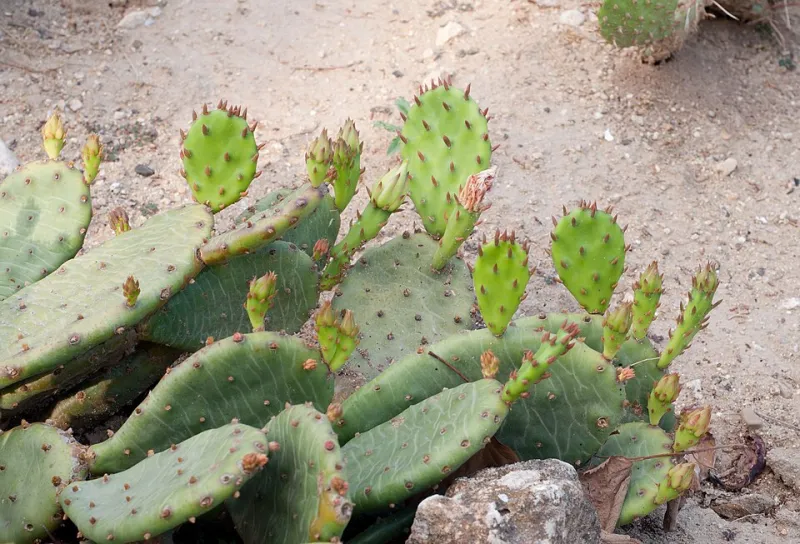
Photo: MrPanyGoff, CC BY-SA 3.0, via Wikimedia Commons
Most of us have a rotation. A serum, a moisturizer, maybe a face oil if we're feeling fancy. But there's one oil that keeps coming up in conversations among estheticians, herbalists, and skin-obsessed home formulators — and it's one that most people have never actually tried.
Prickly pear seed oil. And before you click away: yes, it comes from the cactus fruit you've probably seen at your local farmers market or Mexican grocery. No, it doesn't smell like sunscreen. And yes, the way it's made changes everything about how well it actually works.
A Little Background on This Underdog
Opuntia ficus-indica — the Barbary fig cactus — grows prolifically across the American Southwest, Mexico, and North Africa. Indigenous communities across the Sonoran Desert region have used the fruit, pads, and seeds for food and skin care for centuries. In Morocco, the oil pressed from the tiny seeds inside the cactus fruit has been a prized beauty ingredient in Amazigh (Berber) culture for generations.
It arrived in the mainstream US beauty market relatively recently, mostly in the context of anti-aging serums. But here's the thing: most of the prickly pear oil in commercial products is cold-pressed using modern mechanical presses — and that's not the whole story of what this seed can offer.
Cold-Pressed vs. Pestle-Crushed: Why It's Not Just Semantics
Cold-pressing is genuinely a gentler extraction method compared to solvent or heat-based processing, and it's rightly considered a gold standard for carrier oils. But "cold" is relative. Industrial cold-press equipment still generates friction, and the pressure applied is significant and rapid. For seeds as small and delicate as prickly pear seeds — which make up less than 5 percent of the fruit's total weight — that pressure differential matters.
Traditional preparation of prickly pear oil in North Africa and parts of the American Southwest involved a more laborious process: seeds were dried, then slowly crushed using stone implements, and the released oil was collected and separated by hand. The yield is dramatically lower (which is part of why authentic, traditionally prepared prickly pear oil is expensive), but what you get is different at a molecular level.
Dr. Leila Ouhammou, a cosmetic biochemist who has studied traditional Moroccan oil preparation methods, notes that the slow crushing approach preserves a higher concentration of tocopherols — the vitamin E compounds — along with the oil's unusual fatty acid profile. "The mechanical stress of rapid pressing can cause early oxidation of the more delicate sterols in the oil," she explains. "When you work more slowly, you're protecting the compounds that make this oil exceptional."
And those compounds are genuinely exceptional. Prickly pear seed oil contains:
- Up to 88% unsaturated fatty acids, including a notably high linoleic acid content that supports skin barrier repair
- Vitamin K, which is rare in plant oils and associated with reducing the appearance of dark circles and discoloration
- Beta-sitosterol, a plant sterol with documented anti-inflammatory properties
- Betalains, the same antioxidant pigments found in beets, which are particularly heat-sensitive
That last one is the kicker. Betalains degrade quickly under heat and mechanical stress. Traditionally crushed prickly pear oil tends to retain more of them — and they're believed to be part of what gives the oil its unusually potent antioxidant activity.
Real People, Real Results
We reached out to members of our community who've tried both commercial cold-pressed prickly pear oil and small-batch, traditionally prepared versions. The feedback was striking.
Jessica T., 38, from Tucson, Arizona, has been using prickly pear oil for about two years. "I started with a drugstore brand version and it was fine — my skin felt hydrated. But when I switched to a small-batch oil from a local producer who stone-grinds the seeds, the difference was almost immediate. My hyperpigmentation started fading within a few weeks in a way it hadn't before."
Marcus L., 44, from Brooklyn, was skeptical going in. "I have combination skin and most oils make me break out. This one doesn't, and I think it's because of the linoleic acid content. The artisanal version I tried felt lighter and absorbed faster — like it was actually going in rather than sitting on top."
Not everyone noticed a dramatic difference, to be fair. For some users with less reactive or compromised skin barriers, a good quality cold-pressed version may deliver similar hydration benefits. But for people dealing with hyperpigmentation, fine lines, or barrier disruption, the preparation method seems to matter more.
How to Make a Simple Version at Home
If you want to experience pestle-crushed prickly pear oil without spending a small fortune, you can approximate it at home — though it requires patience and a willingness to get your hands a little sticky.
What you'll need:
- Fresh prickly pear fruit (available at many Latin grocery stores and some Whole Foods locations across the US)
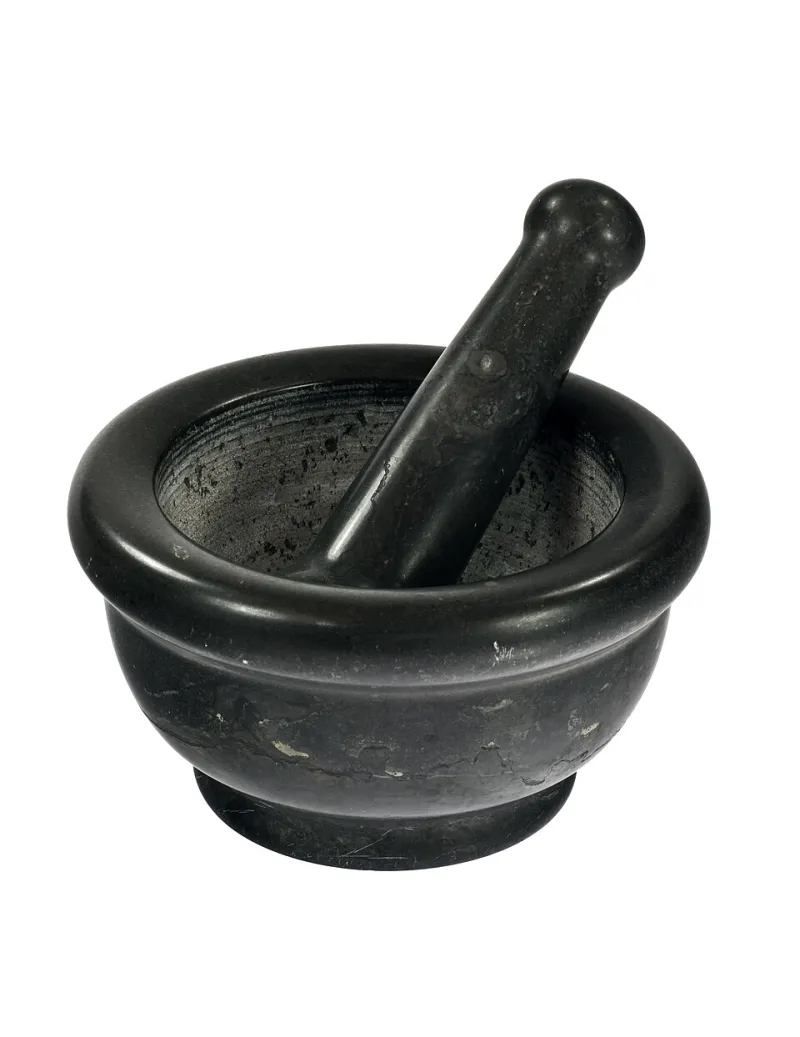
- A sturdy mortar and pestle (granite or marble works best)
- Cheesecloth
- A small glass jar for storage
The process:
- Peel the fruit carefully using gloves — the skin has fine spines. Scoop out the pulp and separate the seeds by rinsing them through a strainer.
- Dry the seeds thoroughly at room temperature for 48 hours. Do not use heat.
- Once dry, add a small amount of seeds to your mortar and grind slowly and deliberately. This is not a fast process. Work in small batches.
- The oil yield will be minimal — this is normal and expected. Collect what you can by pressing the ground seed paste through cheesecloth.
- Store in a dark glass jar in the refrigerator and use within two to three weeks.
The result won't be a refined, shelf-stable product — it'll be raw, slightly cloudy, and intensely fresh. Apply a few drops to clean skin at night and give it a few weeks to show what it can do.
What Dermatologists Are Saying
The dermatology community has been slow to embrace plant oil specifics, but that's shifting. Board-certified dermatologist Dr. Anika Patel, who practices in Chicago, has started recommending prickly pear oil to patients dealing with post-inflammatory hyperpigmentation and early signs of aging. "The combination of linoleic acid and vitamin K makes it genuinely interesting for people who haven't responded well to conventional treatments," she says. "I wish more patients knew about it before reaching for more aggressive interventions."
She's less certain about whether preparation method makes a clinically significant difference for the average consumer, but acknowledges the logic. "If the betalain and sterol content is meaningfully higher in traditionally prepared versions, that would theoretically translate to better outcomes. We just don't have large-scale clinical data comparing the two yet."
The Bottom Line
Prickly pear seed oil is one of those ingredients that rewards the curious. It's not cheap, it's not flashy, and it doesn't come with a celebrity endorsement. But it has centuries of traditional use behind it, a genuinely impressive phytochemical profile, and a growing body of anecdotal and scientific evidence suggesting it delivers on its promise — especially when it's made the old way.
Sometimes the best things take time. That's as true for skincare as it is for anything else.