Stone Ground and Science-Backed: What Happens to Your Botanicals Before They Hit the Jar
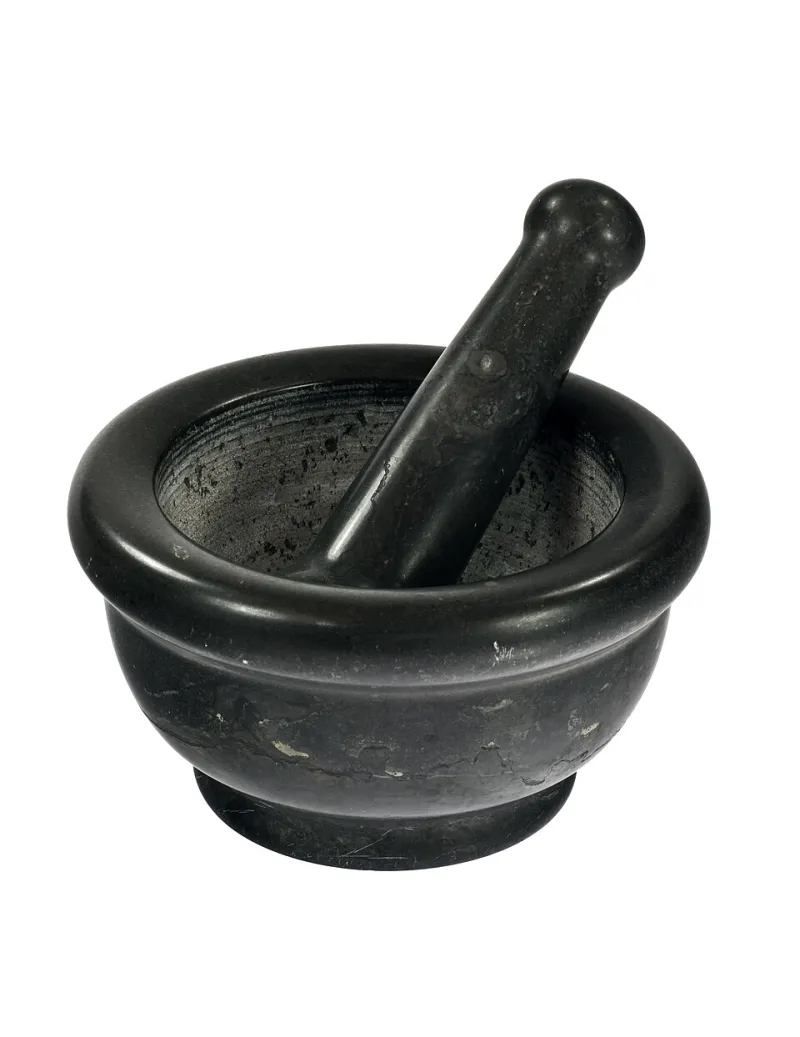
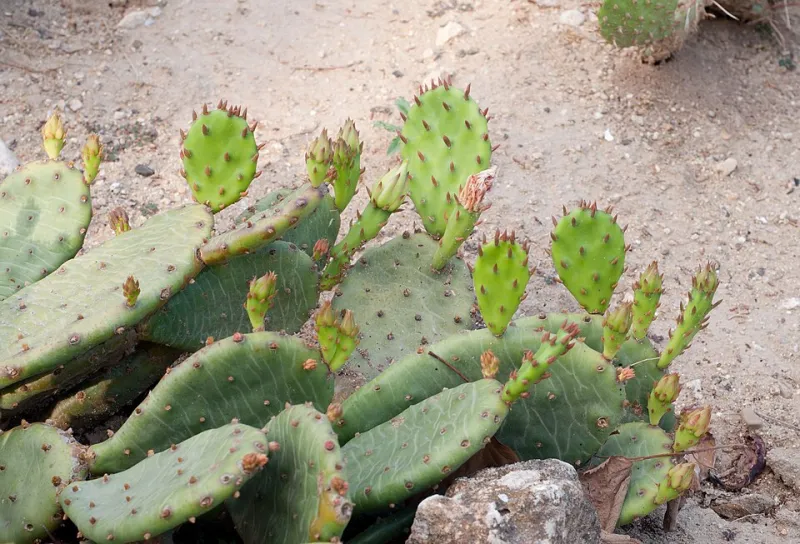
Photo: Nikodem Nijaki, CC BY-SA 3.0, via Wikimedia Commons
There's a reason your grandmother's face felt like velvet. It probably had something to do with the rose water she made herself, slowly, with a mortar and pestle on a Sunday afternoon. What she didn't know — and what cosmetic chemists are now confirming — is that her low-tech approach was preserving compounds that high-speed industrial machinery quietly destroys.
Let's talk about what actually happens when a plant gets processed, and why the method matters more than most skincare brands want you to know.
The Problem With Going Fast
Modern botanical extraction is built around efficiency. Industrial centrifuges, high-speed blenders, and solvent-based extraction systems can process enormous quantities of plant material in a fraction of the time it takes to do things by hand. That's great for profit margins. It's less great for the integrity of the final ingredient.
Here's the issue: speed generates heat and mechanical stress, both of which are genuinely destructive to delicate plant compounds. Polyphenols, anthocyanins, and volatile aromatic compounds — the molecules responsible for much of a botanical's skin-benefiting activity — are notoriously sensitive to temperature changes and oxidative pressure. When rose petals are spun at high velocity in a centrifuge, the cell walls rupture rapidly and unevenly. The resulting exposure to oxygen and friction heat begins degrading anthocyanins almost immediately.
Anthocyanins, if you're not already obsessed with them, are the pigment compounds that give roses, blueberries, and hibiscus their deep reds and purples. They're also potent antioxidants with documented anti-inflammatory effects on skin. Studies have shown that anthocyanin content can drop by as much as 30 to 40 percent depending on the extraction method used — and that's before the ingredient even reaches a formulation lab.
What Stone Grinding Actually Does Differently
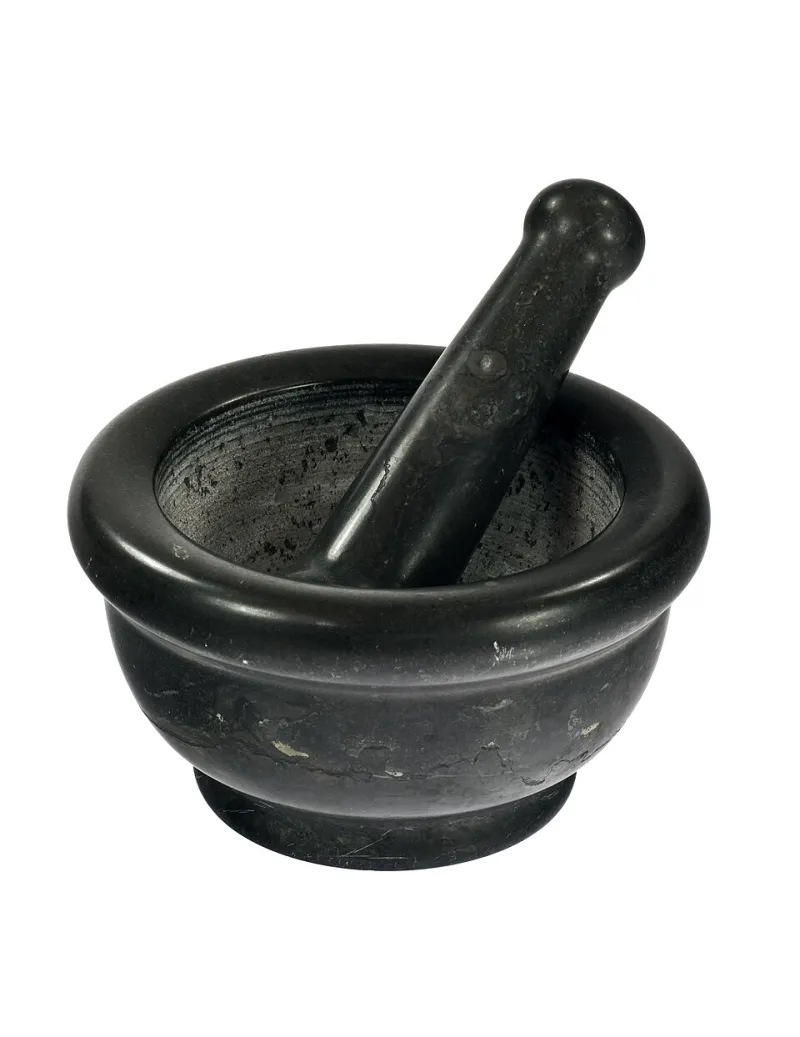
Traditional stone grinding — the kind done with granite or basalt mortars — works on a completely different mechanical principle. Instead of violent rupture, it applies slow, even compression. The plant cells are broken open gradually, releasing their contents in a more controlled environment with minimal heat generation.
Cosmetic herbalist Maya Sorensen, who sources and prepares botanical ingredients for small-batch skincare producers across the Pacific Northwest, describes it this way: "When you grind something slowly, you're essentially giving the plant's chemistry time to stay intact. The oils and water-soluble compounds release together, the way they exist in nature. That matrix — the way those compounds interact with each other — is part of what makes them effective."
That matrix is called a synergistic phytocomplex, and it's a concept that mainstream skincare formulation tends to overlook. Isolated actives are easier to standardize and patent, so the industry gravitates toward them. But many plant researchers argue that botanical compounds work better in their natural combinations than they do alone.
Hand-grinding preserves more of that complexity. The slow mechanical action also means the essential oils within aromatic plants like lavender, chamomile, and calendula remain more fully integrated into the final paste or powder rather than volatilizing off into the air during processing.
Texture as Data
One thing you notice immediately when you work with hand-ground botanical preparations is that the texture is different — and not just aesthetically. The particle size distribution from stone grinding is irregular and varied, which turns out to matter quite a bit for skin absorption.
Dr. Priya Nair, a cosmetic chemist based in New York who consults for independent skincare brands, explains: "Uniform particle sizes, which you get from industrial milling, can actually create a barrier effect on the skin surface. You end up with a smooth, elegant product that sits on top of the stratum corneum rather than interacting with it. Irregular particle sizes from traditional grinding create micro-channels that allow for better penetration of the accompanying actives."
This is part of why artisanal face masks and scrubs often feel like they're doing more — because, structurally, they may actually be doing more.
Turmeric Is the Case Study You Need
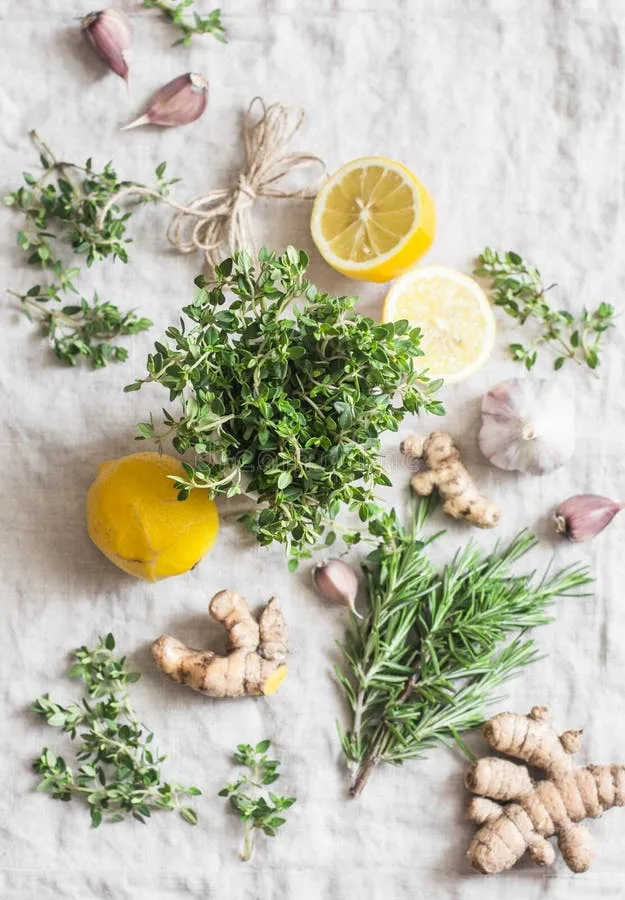
If you want a concrete example of how preparation method affects efficacy, look at turmeric. Curcumin — turmeric's primary active compound — has been studied extensively for its anti-inflammatory and brightening effects on skin. It's also notoriously difficult for skin to absorb in its isolated form.
When turmeric root is stone-ground with a small amount of a carrier like coconut oil or raw honey (both traditional preparation partners in Ayurvedic practice), something interesting happens. The mechanical action of grinding in the presence of a lipid helps create a natural nano-emulsion — essentially, tiny curcumin particles suspended in a fatty medium that dramatically improves their ability to penetrate the skin barrier.
You can approximate this at home with a mortar and pestle, a small piece of fresh turmeric root, and a teaspoon of jojoba oil. The resulting paste will stain your hands (fair warning) but delivers curcumin in a form your skin can actually use, rather than the standardized extracts in most commercial products that often require synthetic penetration enhancers to achieve similar absorption.
What to Look for When You're Shopping
Not every brand that uses the word "artisanal" is actually doing things differently. Here are a few signals that a botanical skincare brand is genuinely committed to traditional preparation methods:
- Ingredient sourcing transparency: Do they tell you where and how plants are harvested? Small-batch producers who grind their own ingredients usually know their suppliers personally.
- Shorter ingredient lists: Hand-ground preparations often don't need the stabilizers and synthetic penetration enhancers that mass-produced botanicals require.
- Texture variation between batches: A slight color or texture difference from batch to batch is a sign of real botanical material, not a standardized extract.
- Sensory richness: Hand-ground ingredients tend to smell more complex and less uniform than their industrial counterparts. If a rose product smells exactly the same every single time, that's a clue.
The Takeaway
Ancient grinding techniques aren't just a marketing story. They represent a fundamentally different approach to botanical chemistry — one that prioritizes the integrity of the whole plant compound over the efficiency of extraction. As cosmetic science catches up to what traditional herbalists have known for centuries, the case for slow, stone-ground preparation keeps getting stronger.
Your skin doesn't care how fast something was made. It cares what actually reaches it.