Your Skin Has Seasons Too: A Year-Round Botanical Rotation Guide

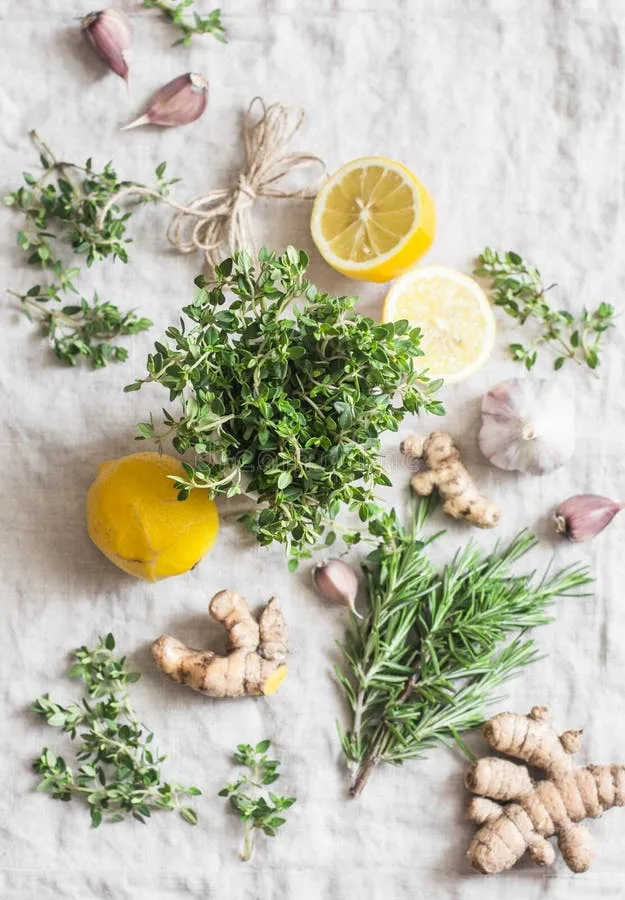
Photo: Stanton Europa, CC BY 2.0, via Wikimedia Commons
Somewhere along the way, modern skincare sold us on the idea of the perfect routine — a fixed lineup of products you use morning and night, every single day, regardless of whether it's February in Minnesota or August in Phoenix. Find what works, the logic goes, and stick to it forever.
But ancient herbal traditions operated on a completely different premise: your body changes with the seasons, and the plants you use should change with it.
This wasn't mysticism. Herbalists and healers across cultures — from Ayurvedic practitioners in South Asia to Indigenous healers across North America to European apothecaries — understood that both the human body and the botanical world move in cycles. The plants that peak in potency in spring aren't the same ones that serve you in winter. And the things your skin needs in October are genuinely different from what it needs in May.
Here's how to build that cyclical wisdom into a modern routine.
Why Seasonal Rotation Makes Scientific Sense
Before we get into the specifics, it's worth understanding why this approach has real science behind it — not just tradition.
First, botanical potency actually varies by season. Plants accumulate different concentrations of bioactive compounds depending on when they're harvested. Calendula harvested at peak summer bloom contains significantly higher levels of flavonoids than calendula harvested off-cycle. Rosehip oil pressed from fall-harvested fruit has measurably higher vitamin C content than fruit harvested earlier in the season. When you're choosing ingredients at their seasonal peak, you're getting more of what makes them effective.
Second, your skin's physiology genuinely shifts throughout the year. UV exposure, humidity levels, temperature, and even circadian rhythm changes affect your skin barrier, sebum production, and cell turnover rate. A routine calibrated for summer skin — typically more oily, more UV-exposed, more prone to inflammation — isn't optimized for winter skin, which tends to be drier, more reactive, and more focused on barrier repair.
Rotating your botanicals isn't about variety for variety's sake. It's about matching the right ingredient to the right biological moment.
Spring: Detox, Brighten, Refresh
Spring is traditionally the season of clearing out — and that applies to your skin as much as your closet.
After months of heavy winter formulas, your skin in spring is often dealing with congestion, dullness, and a backlog of dead cell buildup. Ancient herbalists reached for bitter, astringent, and detoxifying plants at this time of year: dandelion, nettle, cleavers, and green tea were all classic spring botanicals across multiple traditions.
Modern skincare science backs this instinct. These plants tend to be rich in chlorophyll and polyphenols that support lymphatic circulation and mild exfoliation at the cellular level. Niacinamide-rich botanicals and enzyme-based exfoliants sourced from papaya and pineapple also peak in potency from spring harvests.
Spring swaps to consider: Introduce a brightening serum with botanical vitamin C sources (kakadu plum, amla), swap your heavy winter oil for a lighter jojoba or squalane blend, and consider a weekly enzyme mask to encourage cell turnover after the slow winter months.
Summer: Protect, Calm, Antioxidize
Summer is when your skin faces its highest oxidative stress load. UV exposure generates free radicals, heat increases sebum production, and for many people in humid climates, the skin barrier is simultaneously more permeable and more reactive.
Traditional summer botanicals were almost universally cooling and protective: aloe vera, cucumber, green tea, and chamomile appear across ancient Egyptian, Greek, and Chinese cosmetic traditions as summer staples. They weren't just refreshing — they were anti-inflammatory and protective.
For a contemporary summer routine, antioxidant density is everything. Look for formulas featuring astaxanthin, resveratrol, and vitamin E-rich plant oils like red raspberry seed. These compounds neutralize free radical damage in real time. Aloe-based gels, niacinamide serums, and lightweight botanical mists are your friends.
Summer swaps to consider: Lighten your moisturizer significantly, layer antioxidant serums under SPF, and incorporate a cooling botanical toner (rose water, green tea hydrosol) for midday refreshing. Pull back on heavy oils that can trap heat in the skin.
Fall: Repair, Strengthen, Prepare
Fall is the season that most people skip over in their skincare thinking — going straight from summer lightness to winter heaviness without addressing what the transition actually requires.
This is a critical window. Your skin barrier has taken a beating from summer UV exposure and is now facing dropping humidity levels and temperature fluctuations that accelerate transepidermal water loss. Ancient healers understood fall as a time of fortification: elderberry, sea buckthorn, rosehip, and calendula were all traditional fall botanical allies, rich in the fatty acids and vitamins needed to strengthen tissue before winter.
Cosmetically, this translates to rebuilding ceramide levels and replenishing lipids. Sea buckthorn oil is particularly relevant here — it's one of the few plant sources of omega-7 fatty acids, which play a direct role in skin barrier repair. Rosehip, harvested at its fall peak, delivers the highest concentration of trans-retinoic acid precursors of any point in the year.
Fall swaps to consider: Introduce a richer facial oil or barrier serum, add a weekly nourishing mask (oat-based, honey-based, or clay-free), and begin layering hydration rather than relying on a single moisturizer.
Winter: Nourish, Protect, Go Deep
Winter skin is a different organ than summer skin, practically speaking. The combination of cold air outdoors and heated indoor air creates a chronically dehydrated environment that most surface-level products can't adequately address.
This is the season when ancient traditions reached for the heaviest, most nourishing preparations: shea butter, tallow, beeswax, argan, and thick herbal-infused balms were winter staples across cold-climate traditions worldwide. These weren't just comfort products — they were forming an occlusive barrier against environmental moisture loss.
For modern winters, the goal is layering humectants under occlusives. Hyaluronic acid and glycerin draw moisture to the skin; plant-based waxes and fatty oils seal it in. Adaptogenic botanicals like ashwagandha and reishi, which appear in both Ayurvedic and traditional Chinese medicine winter protocols, are increasingly showing up in skincare research for their ability to reduce cortisol-related skin inflammation — relevant in winter when stress and skin reactivity both tend to spike.
Winter swaps to consider: Switch to a cream or balm cleanser, layer a hyaluronic acid serum under a rich botanical face oil, and don't skip your neck and chest. Consider a deeply nourishing overnight mask once or twice a week.
Building Your Rotation Framework
You don't need to overhaul everything at once. A simple way to approach seasonal rotation is to identify three or four "anchor" products that stay consistent year-round (your SPF, a basic cleanser, a core serum) and designate two or three "rotating" slots for botanically-driven products that shift with the seasons.
Think of it less like a skincare audit and more like updating your wardrobe. You keep your basics. You swap what responds to the weather.
The ancient healers who developed these cyclical practices weren't working against nature — they were working with it. Your skin has been waiting for you to do the same.